April 21, 2026
With growing concerns about water safety, it's crucial to know what to look for in well water services. The purity of drinking water significantly affects health and quality of life, making it vital to ask the right questions. Whether you use municipal supplies or rely on well water, familiarizing yourself with potential contaminants and preventive measures can safeguard you and your family. This article will guide you through essential questions to ensure your drinking water is safe and clean.
1. What Are the Common Contaminants Found in Well Water?
Understanding the common pollutants in well water is the first step towards ensuring your drinking water is safe. Natural contaminants such as microbes, arsenic, and heavy metals often infiltrate groundwater supplies, posing health risks when consumed. Industrial and agricultural activities can introduce synthetic chemicals and pesticides into the water table, further complicating purity and safety. Regular water analysis provided by well water services can help identify and mitigate these risks.
In some areas, high mineral content in well water can result in hard water, affecting taste and suitability for household use. Sometimes, these minerals, like calcium and iron, precipitate from the solution and can cause staining on fixtures and laundry, or buildup in plumbing. Nitrates, often stemming from fertilizers, are another frequent concern, especially in rural agricultural regions. Ensuring your water source is well-protected and properly maintained is crucial for preventing such contamination.
Moreover, biological contaminants such as bacteria, viruses, and parasites are potential threats to water safety. The presence of E. coli or coliform bacteria in water indicates potential contamination by fecal material, posing serious health risks. Regular testing by reputable well water services can provide essential insights into microbial contamination and inform necessary treatment and precautions. Proactive management of these issues helps secure clean and drinkable well water daily.
2. How Often Should You Test Your Well Water?
Regular testing of well water is a fundamental practice for ensuring its safety and quality. Experts recommend that homeowners test their private wells annually for bacteria and contaminants. Seasonal changes, nearby construction, or environmental factors can alter water quality unexpectedly, making additional testing advisable when significant changes occur. Utilizing well water services for testing provides an in-depth analysis and peace of mind over water safety.
Testing rounds should extend beyond annual checks when there are specific concerns, such as taste or odor abnormalities, or when a family member's health allows for greater sensitivity to pollutants. The presence of young children, elderly individuals, or people with compromised immune systems in the household necessitates heightened vigilance and potentially more frequent testing. Local and state regulations might also set specific testing requirements, which well water services can help navigate. Investment in routine testing upholds both compliance and safety standards for home water use.
Reputable well water services are equipped with the expertise and instrumentation required for comprehensive water quality assessments. This includes testing for both primary and secondary contaminants and minerals, providing detailed results, and applying appropriate standards for evaluation. According to the CDC, 90% of people in the U.S. get their tap water from a regulated public water system, while most other people get their tap water from a privately owned well, demonstrating the significance of regular testing for those outside municipal systems. The transparency and resources offered by professional services ultimately reinforce water health and safety.
3. What Treatment Options Are Available for Contaminated Well Water?
Treatment solutions for contaminated well water vary based on specific contaminants and their concentrations. Filtration systems, such as activated carbon filters, effectively remove certain organic chemicals, the odor of sulfur, and improve taste. Other contaminants may require more robust interventions, such as reverse osmosis systems, which are designed to eliminate a broader range of impurities, including lead and nitrates. Well water services can guide on selecting the most appropriate treatment options for your specific needs.
Chlorination treatments are frequently employed to counteract bacterial contamination, ensuring water safety against harmful microbes. This process involves the addition of chlorine or chlorine-based compounds to disinfect water, although it may necessitate residual testing to confirm safety. In circumstances where non-bacterial contaminants are a concern, ion exchange systems may be utilized to reduce hardness and certain heavy metals like iron. Collaborating with well water services facilitates effective evaluations and streamlines the implementation of tailored treatment solutions.
For families keen on maintaining peace of mind regarding their drinking water, membership in a water quality monitoring plan might be an ideal solution. Such plans often include periodic testing, ongoing analysis, and recommendations for maintenance or system upgrades to address emerging concerns. Well water services provide expertise and resources for seamless integration of these plans, aligning them with local water quality regulations and standards. Implementing the correct treatment protocols not only preserves water quality but also supports long-term health and well-being.
4. How Can Well Water Services Help Ensure Water Quality?
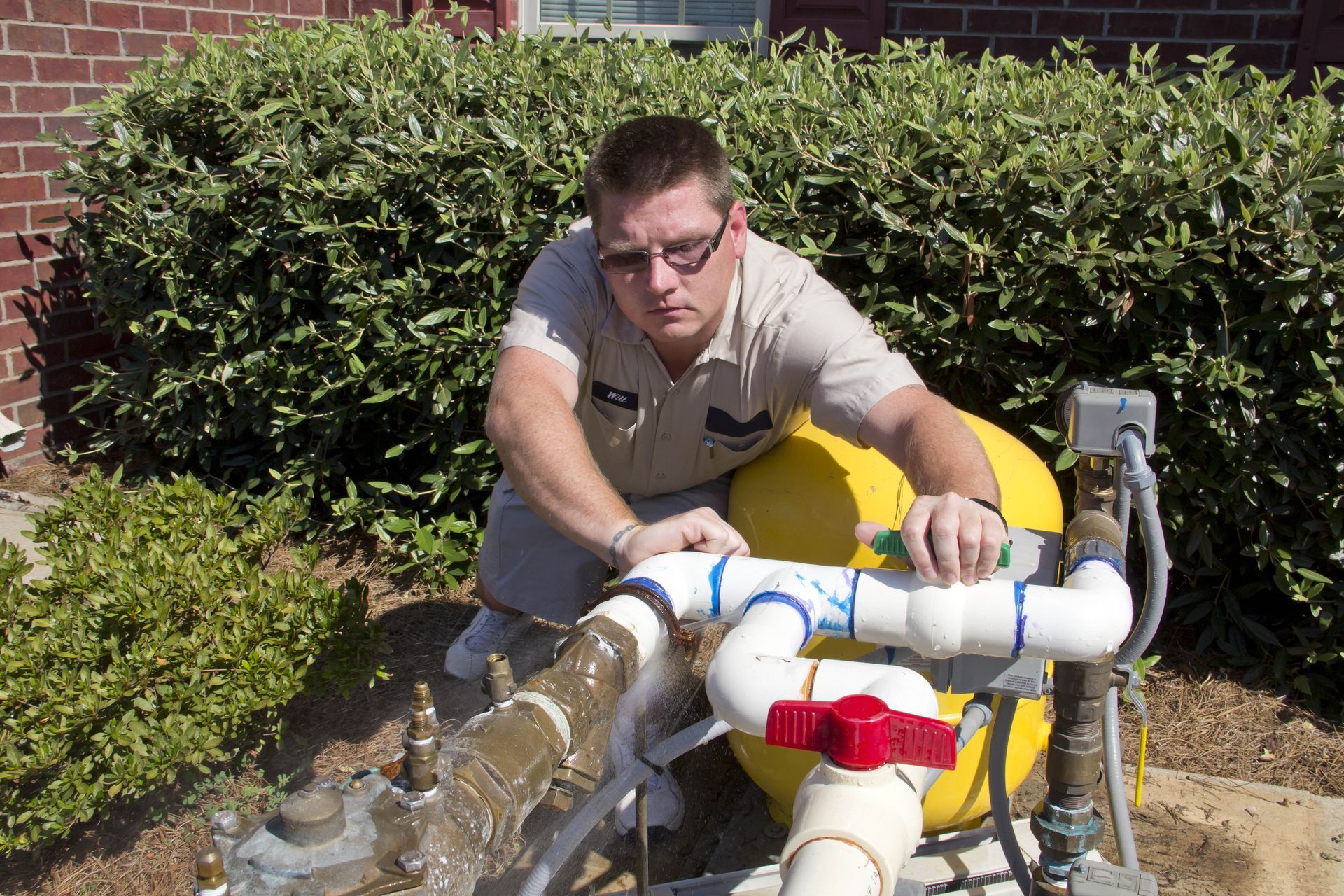
Well water services play a crucial role in water quality management by offering expertise, testing, and treatment solutions. These services provide insightful analysis of water samples, empowering homeowners to make informed decisions regarding their water quality. Furthermore, they offer preventative maintenance programs, which include routine inspections of well systems to prevent mechanical failures or contamination. This comprehensive approach maximizes the well-being of families relying on well water systems.
Well water services are essential partners in diagnosing emerging issues and implementing corrective actions promptly. Experts can identify system inefficiencies, respond to quality concerns, and recommend necessary treatments to mitigate risks. This professional support enhances water safety and ensures compliance with environmental standards. Proactive well management, guided by experienced services, minimizes disruption while maintaining optimal water quality year-round.
Educational opportunities provided by well water services also highlight effective stewardship of water resources. Professionals can offer guidance on responsible water use, potential signs of contamination, and maintenance to uphold water quality. By fostering a comprehensive understanding of well water dynamics, these services empower homeowners to champion cleanliness and sustainability in their water use. Collaboration with trusted well water services ultimately ensures the security and reliability of drinking water systems.
5. What Are the Regulations and Standards for Drinking Water Quality?
Regulations and standards for drinking water quality form the framework for protecting public health. At the federal level, the Environmental Protection Agency (EPA) establishes guidelines and enforces standards under the Safe Drinking Water Act. These regulations cover a wide array of contaminants, setting limits intended to shield populations from adverse health its rigors further elaborate on protection. Meanwhile, local and state agencies have additional codes tailored to address regional water quality issues more precisely.
Private well water users must exhibit diligence in managing regulatory compliance by self-testing and implementing necessary treatments, especially as national guidelines primarily focus on public systems. Well water services are instrumental resources to homeowners navigating the regulatory landscape, offering both testing and customized solutions to align with essential standards.
Ensuring the quality of your drinking water requires understanding common issues, seeking professional services, and staying informed about regulations. By asking the right questions and taking proactive measures, you ensure the well-being of you and your family. Comprehending potential contaminants, implementing regular testing, and embracing treatment solutions are foundational practices for safeguarding water. Engaging with well water services supports a proactive approach to water quality, aligning domestic efforts with comprehensive regulatory and health standards. Reach out to Helderberg Well & Pump to learn more about our services today.