August 25, 2026
Understanding the difference between shallow and deep wells is crucial when deciding on the best water source for your property. Both types of wells have their own merits and challenges, making it essential to understand what each has to offer. In this article, we will explore insights from well drilling contractors to help guide your decision. By examining factors like construction, cost, and environmental impact, you'll be better equipped to make an informed decision. Furthermore, we'll delve into current trends and innovations within the industry, ensuring you have all the information needed for a wise investment.
Understanding the Basics of Well Drilling
Defining Shallow Wells
Shallow wells are typically defined as wells that are less than 50 feet deep. These wells draw water from the upper layers of the ground, accessing the water table or the uppermost aquifer. Experienced well drilling contractors often note that the installation process for shallow wells is generally simpler and quicker, involving less complex machinery. As they tap into water closer to the surface, they can be more susceptible to seasonal changes and contamination. However, they are often more than adequate for properties in areas with a good water table and less stringent water demands.
Defining Deep Wells
In contrast, deep wells are constructed at depths exceeding 50 feet, often reaching several hundred feet underground. These wells reach into deeper aquifers, tapping into water sources that are less vulnerable to surface contaminants. The construction of deep wells is more technical and requires well drilling contractors with specialized equipment to penetrate the deeper layers of rock and soil. Because of their depth, deep wells are generally more reliable, providing a consistent supply of water during dry periods. This makes them particularly suitable for regions with fluctuating water tables or higher water demands.
Differentiating Key Construction Methods
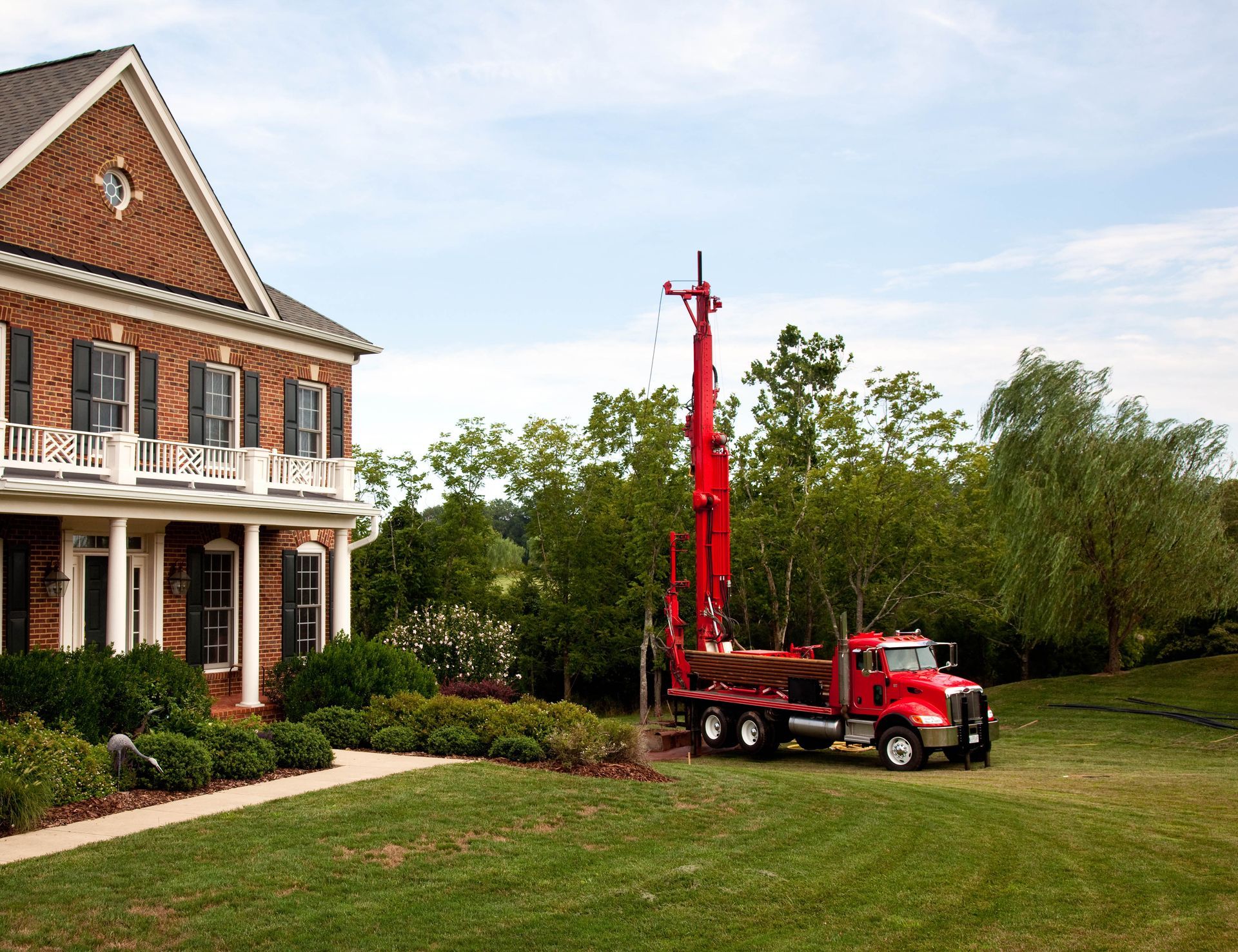
The construction of shallow and deep wells involves distinct methods and equipment reflecting their depth. Shallow wells often require simpler machinery, such as augers, capable of reaching the water table with relative ease. Deep well construction, on the other hand, necessitates robust machinery managed by professional well drilling contractors who can drill through dense geological layers to reach deeper aquifers. This difference not only impacts cost but also the time required for each drilling process. Overall, choosing the right construction method involves balancing these factors against your water requirements and environmental conditions.
Evaluating Factors Affecting Well Depth Choice
Analyzing Soil and Rock Composition
The geological makeup of your land heavily influences the choice between a shallow and deep well. Certain soil types, such as sandy or rocky terrains, may require a deeper well to bypass impermeable layers and access stable water sources. Licensed well drilling contractors often conduct detailed surveys to evaluate these geological conditions, providing recommendations tailored to your land's unique characteristics. Soil and rock composition not only affects drilling but also the stability and maintenance needs of the well over time. By understanding the geology, property owners can ensure a more efficient and optimal drilling process.
Navigating Local Water Regulations
Your area's local water regulations can be a determining factor in well depth selection. These regulations vary widely, with some regions enforcing strict limitations on well depths to preserve water quality and prevent overuse. Reputable well drilling contractors must adhere to these legal guidelines, navigating regulations to find a feasible solution for your property. Understanding local ordinances can help you avoid unnecessary costs and potential legal implications. Additionally, staying informed about potential legislative changes ensures compliance and the long-term viability of your well.
Aligning Property Size and Location
The size and location of your property play a crucial role in deciding between a shallow and deep well. Larger properties may benefit from a deep well, ensuring a consistent supply of water across expansive areas. Conversely, a smaller property with less water demand might opt for a shallow well to minimize construction costs and complexity. Properties situated in mountainous or rocky areas often necessitate deeper wells to penetrate through dense geological formations. Aligning well depth with property characteristics ensures optimal water access and system longevity.
Exploring the Advantages of Shallow Wells
Reducing Overall Project Costs
Shallow wells can often be more cost-effective compared to their deeper counterparts. This is primarily due to the reduced cost of labor and materials required for drilling and installation at shallower depths. Property owners seeking a budget-friendly option frequently find that shallow wells meet their financial constraints while still delivering adequate water supply. Additionally, maintenance costs tend to be lower over time, as wear and tear on the well's infrastructure are generally less severe. The overall cost-effectiveness of shallow wells makes them an attractive choice for many residential applications.
Simplifying the Installation Process
The construction of shallow wells is typically less complex and faster compared to deep wells. Shallow well drilling usually involves less technical machinery and can often be completed more quickly, reducing both time and labor costs. This ease of construction makes shallow wells a practical choice in areas with softer soil compositions or where the water table is high. Moreover, the simpler construction allows for easier modifications or expansions in the future if water needs change. Overall, the ease of construction is a significant advantage for property owners seeking a straightforward approach to water sourcing.
Facilitating Repairs and Long-Term Maintenance
Shallow wells enjoy easy accessibility, making repairs and routine maintenance less daunting. Regular maintenance, such as cleaning and pump servicing, is typically straightforward due to the shallower depth of these wells. This accessibility extends to troubleshooting issues, with easy access shortening repair times and labor costs. Local well drilling contractors often highlight this factor as a significant benefit for property owners who prefer hands-on management of their water systems. Furthermore, according to HomeGuide, while individual components may need repairs or replacement over time, a well-maintained shallow well can last decades, helping to ensure a reliable water source for years to come.
Examining the Advantages of Deep Wells
Ensuring a Consistent Water Supply
Deep wells offer a more reliable and consistent water supply, primarily because they draw from deeper aquifers that are less affected by surface conditions. This consistency is particularly beneficial in regions with fluctuating weather patterns or areas prone to drought. Property owners who require a constant water source for agricultural purposes or large-scale residential use often consult with skilled well drilling contractors to install deep wells for maximum dependability. From a long-term perspective, deep wells can contribute to the stability of water resources, minimizing the impact of environmental changes on availability. Investing in such a system ensures that your property remains resilient amid changing climatic conditions.
Improving Household Water Quality
Water quality is generally superior in deep wells because they tap into aquifers well below the surface, away from potential contaminants. This depth offers a natural filtration process as water seeps through layers of rock and soil, removing many impurities before it reaches the well. Consequently, deep wells often produce water that is cleaner and safer for consumption without extensive treatment. For property owners concerned with water quality, a deep well can provide peace of mind, knowing that the water supply is more protected against pollutants. Additionally, deep well water typically tastes fresh, free from off-flavors often associated with surface contaminants.
Choosing between a shallow and deep well ultimately depends on your property's geology, local water table, and long-term water demands. Partnering with experienced well drilling contractors guarantees that you navigate local regulations, geological challenges, and installation requirements seamlessly. With the right guidance and investment, your property will enjoy a clean, dependable water supply for decades to come.
Ensure your home has a reliable, high-quality water supply by contacting the experts at Helderberg Well & Pump today for a complete well evaluation!