October 26, 2026
Providing your home with a reliable and steady water source requires careful preparation and an in-depth understanding of your specific residential needs. Undertaking a home water system project involves significantly more than just selecting a random piece of equipment off a shelf; it requires a comprehensive and tailored approach to ensure long-term functionality. When you embark on a well pump installation, you must deeply evaluate several critical factors to guarantee that your household receives an adequate and consistent flow of fresh water every single day. Properly planning this complex process helps prevent future headaches, unexpected maintenance costs, and frustrating water pressure issues down the line. Homeowners must assess their daily water consumption habits, understand the unique physical properties of their land, and select machinery that perfectly aligns with those specific demands. By taking the ample time necessary to map out every detail of your system beforehand, you create a sustainable infrastructure that supports your daily activities seamlessly. Careful preparation sets the absolute foundation for a highly durable, energy-efficient, and effective water delivery system that will serve your property faithfully for many years into the future without major disruptions.
Assessing Your Household Water Demand
Before purchasing any equipment, you must determine exactly how much water your family uses on a regular daily basis. Every single plumbing fixture, major household appliance, and outdoor garden spigot contributes heavily to your total overall water consumption, making it essential to evaluate your peak usage times accurately. Morning routines often represent the absolute highest demand, as multiple family members might use showers, bathroom sinks, and toilets simultaneously while getting ready for the day. By calculating this vital peak demand, you ensure that your selected system can easily handle the simultaneous operation of several fixtures without a noticeable or frustrating drop in pressure. Additionally, you should strongly consider potential future changes to your property, such as adding a new bathroom suite or expanding your outdoor irrigation system for a larger garden. Anticipating these future needs prevents you from outgrowing your equipment prematurely and facing another replacement. A successful well pump installation relies heavily on this foundational understanding of your unique consumption patterns. Taking a thorough inventory of your water-drawing appliances and fixtures allows you to establish a solid baseline requirement, which ultimately guides the rest of your planning process and ensures your family never experiences an uncomfortable water shortage.
Calculating Total Dynamic Head
Once you completely understand your household consumption patterns, you must carefully evaluate the physical distance and resistance your water must overcome to reach your indoor faucets. This crucial measurement involves evaluating the vertical lift from the static water level deep underground to your surface storage tank, as well as the friction loss caused by the water traveling through various pipes, elbows, and fittings. Understanding these specific physical constraints ensures that the equipment you eventually select possesses enough mechanical power to push the water effectively and consistently throughout your entire property. If you accidentally underestimate the necessary lifting power, you risk experiencing constantly weak flow and placing severe undue stress on your equipment's motor. Conversely, overestimating this specific measurement might lead you to purchase unnecessarily massive and highly expensive equipment that wastes excessive electrical energy. Executing a proper well pump installation means finding the perfect harmony of mechanical power and energy efficiency based on your specific geographical and structural layout. Evaluating the complete physical path that the water takes from the ground all the way to your tap guarantees that your system operates smoothly, quietly, and efficiently under all standard household conditions.
Selecting the Appropriate Equipment
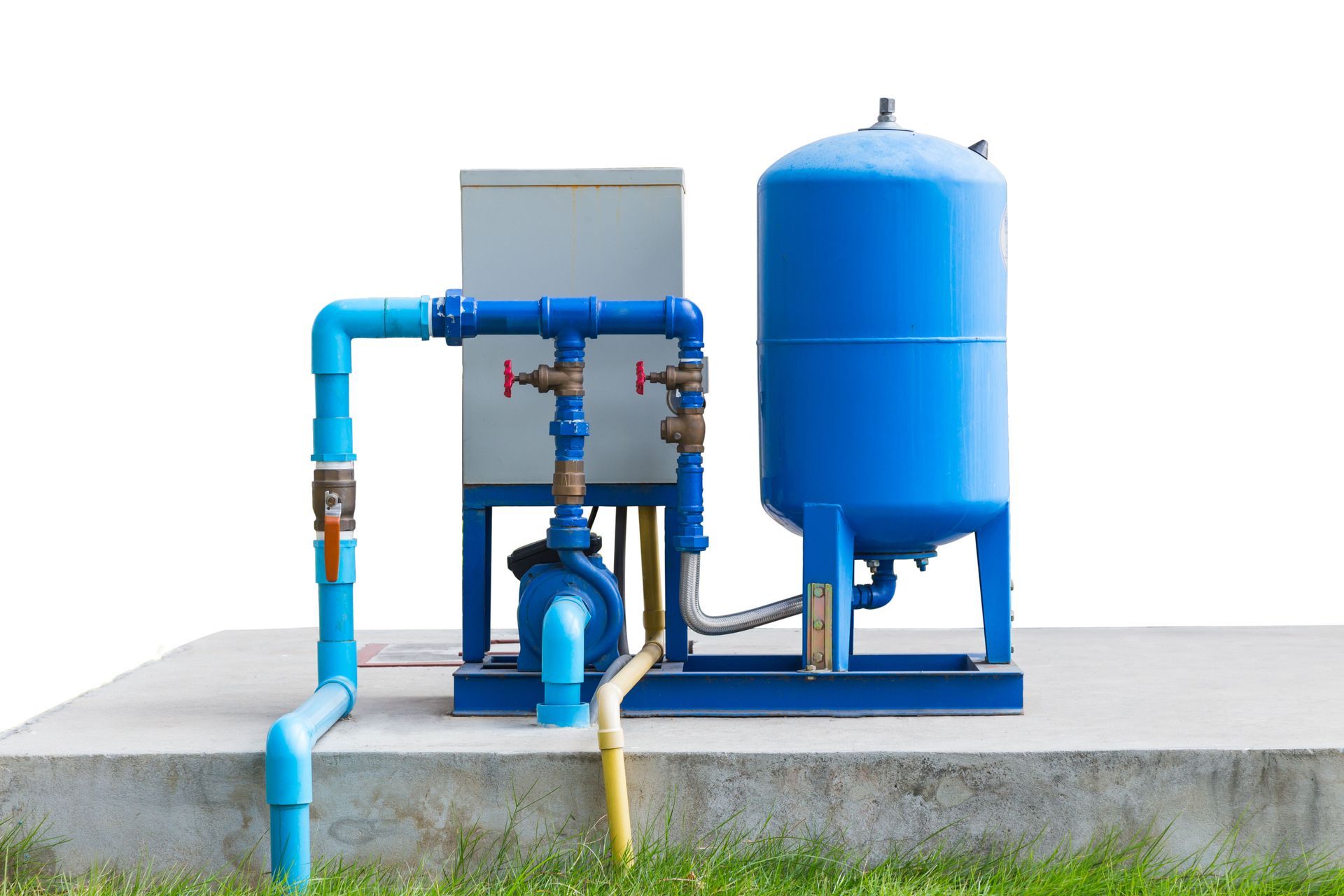
With your consumption patterns and physical lifting requirements firmly established, you can finally begin evaluating the different types of machinery available on the current market. Different property layouts require entirely different mechanical approaches, whether that involves a submersible unit placed deep underground or a surface-mounted unit designed for a much shallower source. You must carefully match the capacity of the machinery to the natural yield of your water source to prevent the system from running dry and sustaining catastrophic mechanical damage. Selecting high-quality, exceptionally durable materials that naturally resist underground corrosion is equally important for maintaining a highly sanitary and consistently reliable water supply. According to Modernize, most well pumps last about 10 to 15 years with proper maintenance. Investing in reputable and premium equipment upfront significantly reduces the likelihood of premature mechanical failures and extremely costly emergency repairs in the middle of the night. A thoughtful well pump installation requires you to look far beyond the initial purchase price and heavily consider the long-term value, warranties, and overall reliability of the machinery. Choosing the right style and model ensures that your entire system functions harmoniously and stands the true test of time.
Evaluating Electrical and Plumbing Needs
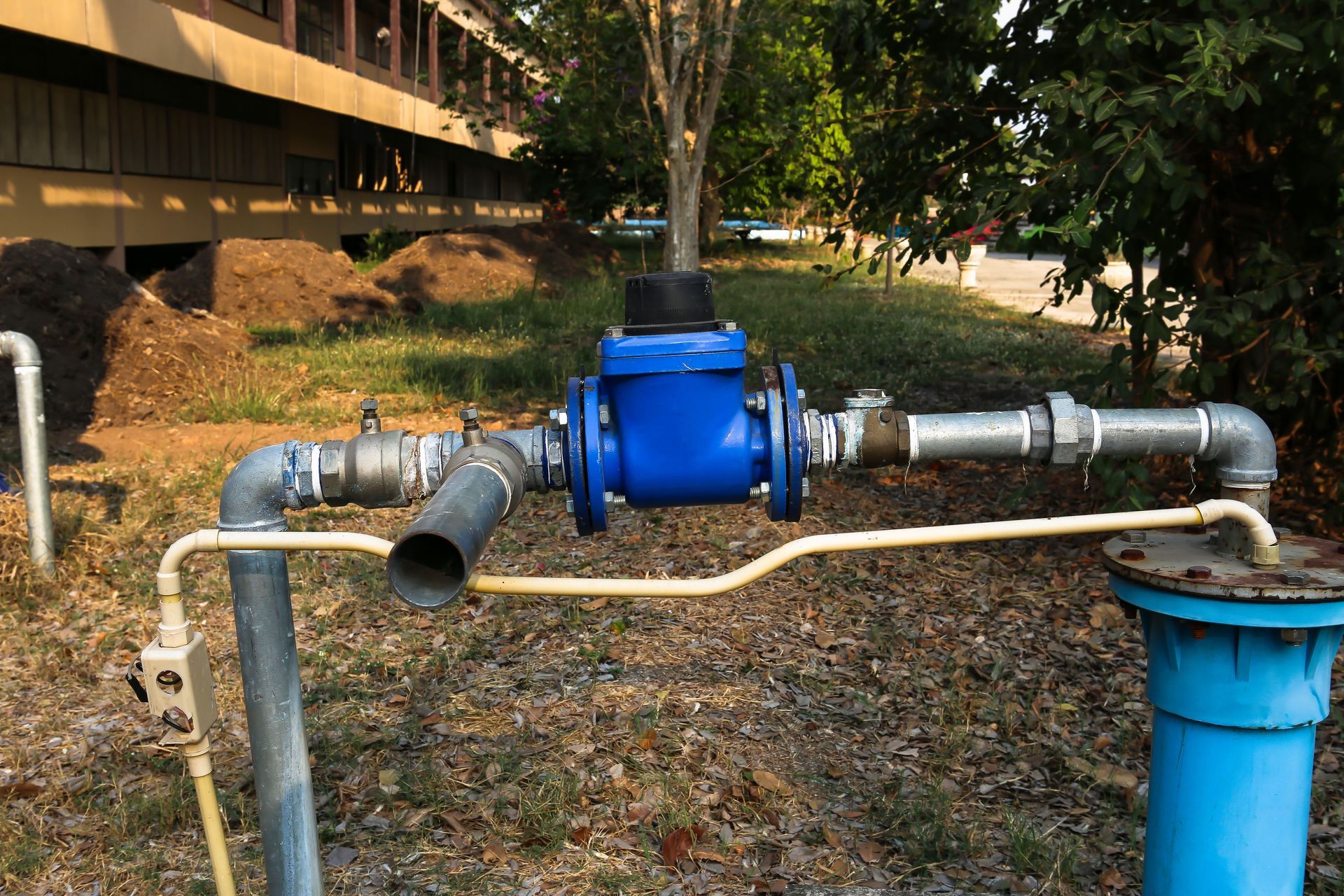
Integrating your brand-new water system into your existing home infrastructure requires incredibly careful attention to both your power supply and your intricate pipe connections. Your machinery will absolutely require a dedicated electrical circuit to handle the large starting surge and the continuous daily operation without tripping breakers or causing annoying power fluctuations in the rest of the house. Ensuring that your main electrical panel can safely accommodate this significant additional load is a critical safety measure that firmly protects both your home and your expensive new equipment from damage. Similarly, the pipes connecting the underground source directly to your indoor pressure tank must be appropriately sized to prevent excessive friction loss and maintain a beautifully steady flow. Planning a well pump installation involves meticulously coordinating these various technical elements so that the mechanical, electrical, and plumbing components all work together flawlessly. Using premium, high-quality fittings and thoroughly securing all underground connections helps prevent unseen leaks that could quickly undermine the efficiency of your entire setup. Proper integration of these major utilities not only guarantees optimal daily performance but also ensures that your system strictly adheres to all necessary safety standards.
Budgeting For Your System Upgrades
Financial preparation plays a truly massive role in replacing or setting up a brand-new water delivery system for your residential property. Beyond the standard retail cost of the main machinery, your comprehensive budget must fully account for upgraded wiring, heavy-duty piping, indoor storage tanks, and the skilled professional labor required to put everything together correctly. Unforeseen physical complications, such as the sudden need to upgrade an outdated electrical panel or replace degraded underground piping, can quickly alter your initial financial projections. Setting aside a contingency fund easily helps you handle these completely unexpected variables without compromising the ultimate quality of the final result. A complete well pump installation represents a highly significant investment in the daily value and comfort of your property, making it incredibly wise to prioritize lasting quality over the cheapest available options. High-efficiency modern systems may require a slightly larger initial financial outlay but will consistently save you money on your monthly utility bills. Thoroughly researching all your options and clearly anticipating all associated expenses allows you to approach the project properly.
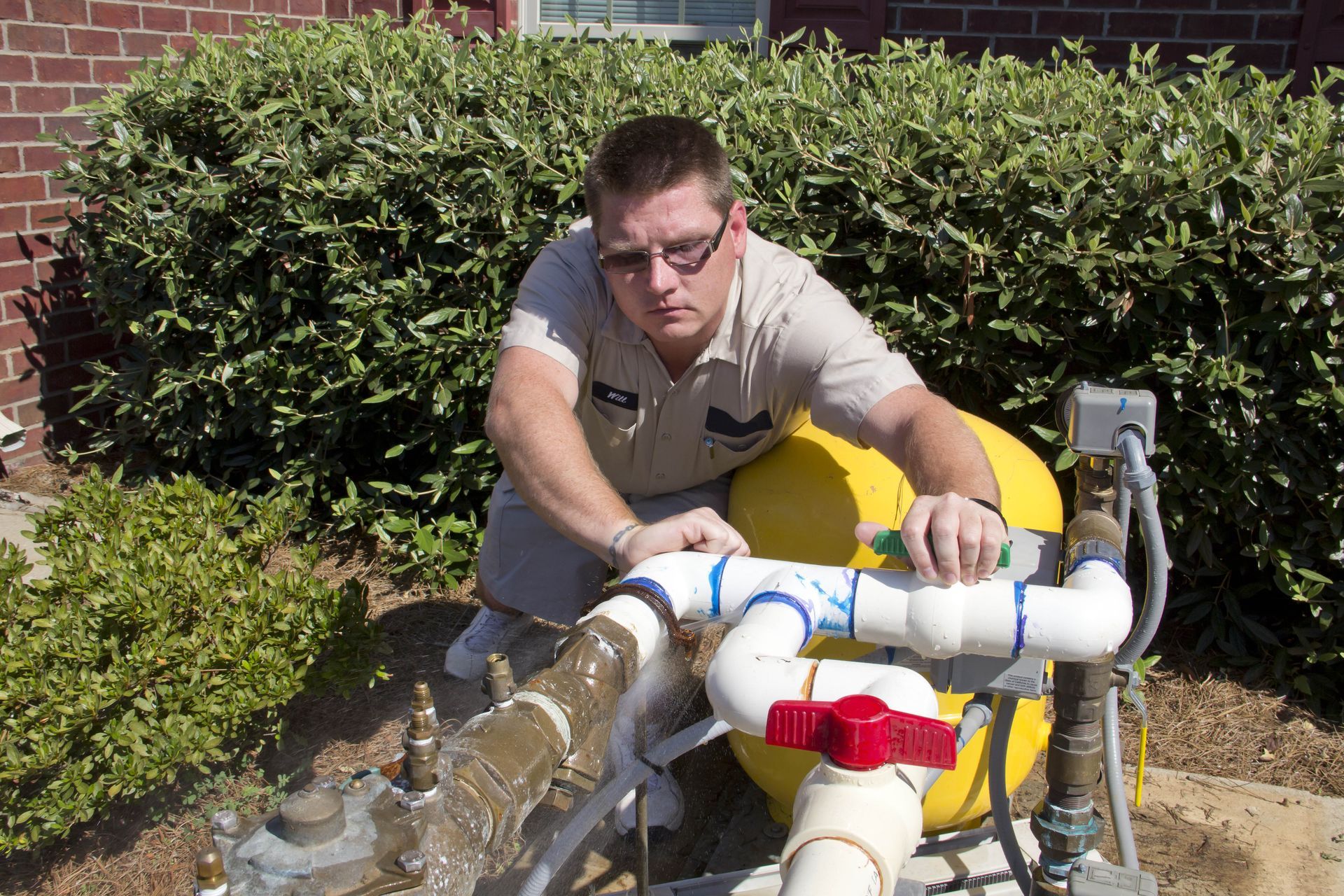
Securing a highly dependable and clean water source for your home depends almost entirely on the care and attention you give to the initial planning phase. By thoroughly evaluating your family's daily consumption, calculating the physical requirements of your specific property, and selecting the most appropriate machinery, you set yourself up for incredible long-term success. Careful attention to the complex electrical integration, secure plumbing connections, and realistic financial budgeting further ensures that your project proceeds smoothly and without unnecessary setbacks. Every single step of a well pump installation requires precision and forethought to guarantee that your household enjoys consistently strong pressure and pure water whenever it is needed. Taking the necessary time to map out these crucial details protects your investment and provides true peace of mind for you and your entire family. If you are finally ready to upgrade your residential water system and need highly expert guidance, reach out to the local professionals to get started immediately. Call Helderberg Well & Pump today to easily schedule a consultation and ensure your project is handled with the utmost expertise.